


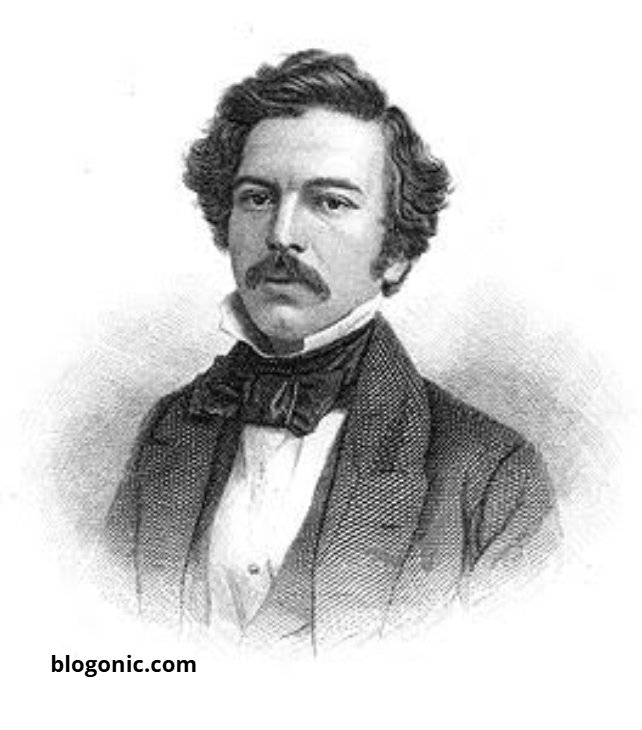
Few names carry as much weight in early American history as Richard Henry Lee. As a member of Virginia’s influential Lee family, he helped shape the foundations of American independence through one of the most consequential motions in United States history. This article explores who Richard Henry Lee was, his early life, his education, his political career, and why historians continue to study his contributions today.
Who Was Richard Henry Lee?
Richard Henry Lee was an American statesman and Founding Father from Virginia, best known for introducing the Lee Resolution in June 1776. This motion, presented before the Second Continental Congress, formally called for the American colonies’ independence from Great Britain. His resolution ultimately paved the way for the United States Declaration of Independence, a document he also signed.
Beyond this defining moment, Lee served a one-year term as president of the Continental Congress. He also signed the Continental Association and the Articles of Confederation, and he later served as a United States senator from Virginia between 1789 and 1792, holding part of that term as the second president pro tempore of the Senate.
Early Life and Family Background
Lee was born on January 20, 1732, in Westmoreland County, Virginia. His parents, Colonel Thomas Lee and Hannah Harrison Ludwell Lee, belonged to one of Virginia’s most politically influential families. The Lee family produced numerous statesmen, landowners, and political leaders across multiple generations, and Richard Henry grew up immersed in this environment of civic responsibility.
At age sixteen, Lee left Virginia for Yorkshire, England, to complete his formal education at Wakefield Academy. During his time abroad, tragedy struck his family. His mother died on January 25, 1750, and his father, who was serving as acting governor of Virginia at the time, died later that same year on November 14. This loss shaped much of Lee’s early adulthood.
After learning of his parents’ deaths in 1751, Lee’s eldest brother, Philip Lee, asked him to return to Virginia. Richard Henry initially declined, reportedly wanting to continue courting a young woman he planned to marry. This decision led his brother to break off the arrangement in frustration. Rather than returning immediately, Lee spent at least a year touring mainland Europe before finally returning to Virginia in 1753.
Building a Political Career in Virginia
After returning home, Lee resettled at Stratford Hall and worked alongside his brothers to help settle the family estate. Although his relationship with his older brother remained strained during this period, Lee gradually built his own independent path in Virginia politics.
In 1757, he was appointed justice of the peace of Westmoreland County. The following year, in 1758, he won election to the Virginia House of Burgesses, where he first met Patrick Henry. The two would go on to become close allies throughout the American Revolutionary era, and Lee remained a valuable partner to both Henry and Samuel Adams during the years leading up to independence.
Lee established himself early as a strong advocate for colonial rights. In 1766, nearly a decade before the Revolutionary War began, he authored the Westmoreland Resolution, a formal protest against Britain’s enforcement of the Stamp Act of 1765. Several prominent landowners signed this resolution at Leedstown, Virginia, including three additional Lee brothers and a close cousin of George Washington.
Path Toward Independence
Lee’s influence continued to grow throughout the 1760s and 1770s. He served on the House of Burgesses committee responsible for drafting a formal letter warning King George III against imposing direct taxes on Virginia. His consistent advocacy for colonial rights positioned him as one of the leading voices pushing toward eventual independence.
In August 1774, Lee was chosen as a delegate to the First Continental Congress in Philadelphia. He attended alongside other prominent Virginia figures, including Richard Bland, Benjamin Harrison, Patrick Henry, Edmund Pendleton, and George Washington. This gathering marked a critical turning point, bringing together colonial leaders to coordinate a unified response to British policy.
Two years later, Lee’s role in American history reached its defining moment. In June 1776, he introduced the Lee Resolution before the Second Continental Congress, formally proposing that the colonies declare independence from Great Britain. This motion directly led to the drafting and adoption of the Declaration of Independence, which Lee also signed as one of its signatories.
Continued Service During and After the Revolution
Lee’s contributions extended well beyond the Declaration of Independence itself. He went on to sign the Continental Association, a colonial boycott agreement against British goods, and later signed the Articles of Confederation, the young nation’s first constitutional framework.
Lee also served a one-year term as president of the Continental Congress, placing him at the center of the young nation’s governance during a pivotal era. After the Constitution’s ratification, Lee continued his public service as a United States senator from Virginia, serving from 1789 to 1792. During part of this term, he held the role of second president pro tempore of the Senate, further cementing his influence in the earliest years of the federal government.
Personal Life and Family
Lee married twice during his lifetime. On December 5, 1757, he married Anne Aylett, the daughter of William Aylett. Together, they had six children, four of whom survived infancy, including Thomas Jesse Lee and Ludwell Lee. Anne passed away on December 12, 1768.
Lee remarried in June or July of 1769, this time to Anne Gaskins Pinckard. This second marriage produced seven children, five of whom survived infancy. Lee honored his brother Francis Lightfoot Lee, another signer of both the Articles of Confederation and the Declaration of Independence, by naming one of his sons after him.
Lee’s personal and political life remained deeply intertwined with his family throughout his career. The Lee family’s broader influence in Virginia politics meant that Richard Henry’s achievements were often part of a larger multigenerational legacy of public service.
Later Years and Death
Richard Henry Lee died on June 19, 1794, at the age of 62. His death marked the end of a career that spanned some of the most transformative decades in American history, from early colonial protests against British taxation to the founding of the federal government under the new Constitution.
Lee’s legacy endured well beyond his lifetime. Several institutions have been named in his honor, including schools in Rossmoor, California, and Glen Burnie, Maryland, as well as Richard Henry Lee School in Chicago. During World War II, the Liberty Ship SS Richard Henry Lee was also named after him, reflecting his lasting significance in American memory.
Why Richard Henry Lee’s Legacy Still Matters
Lee’s contributions represent a critical link in the chain of events that led to American independence. His willingness to formally propose independence before the Continental Congress required significant political courage, given the uncertainty and risk involved in openly breaking from British rule.
Beyond the Lee Resolution itself, his consistent involvement in nearly every major founding document, from the Continental Association to the Articles of Confederation to the Declaration of Independence, illustrates just how central he was to the nation’s earliest political architecture. Few Founding Fathers can claim direct involvement across so many foundational moments.
Historians continue to study Lee not only for his political achievements but also for his personal correspondence, which offers valuable insight into the mindset of colonial leaders during this transformative period. His letters, published as The Letters of Richard Henry Lee, remain an important primary source for understanding the Revolutionary era.
If you liked this biography, check out our related articles: Frank Sinatra’s Granddaughter Who Chose Horses Over Hollywood: The Full Story of Natalie Oglesby Skalla
FAQs
Who was Richard Henry Lee?
Richard Henry Lee was an American statesman and Founding Father from Virginia, best known for introducing the June 1776 Lee Resolution, which called for the colonies’ independence from Great Britain.
What is Richard Henry Lee best known for?
He is best known for proposing the Lee Resolution before the Second Continental Congress, which directly led to the Declaration of Independence.
When was Richard Henry Lee born?
He was born on January 20, 1732, in Westmoreland County, Virginia.
Did Richard Henry Lee sign the Declaration of Independence?
Yes, he signed the Declaration of Independence as one of its official signatories.
What other roles did Richard Henry Lee hold in government?
He served as president of the Continental Congress for one year and later served as a United States senator from Virginia from 1789 to 1792.
Who were Richard Henry Lee’s family members?
He was the son of Colonel Thomas Lee and Hannah Harrison Ludwell Lee, and he had several brothers who were also politically active, including Francis Lightfoot Lee.
Was Richard Henry Lee married?
Yes, he married twice: first to Anne Aylett in 1757, and later to Anne Gaskins Pinckard in 1769. Together, he had eleven children across both marriages.
When did Richard Henry Lee die?
He died on June 19, 1794, at the age of 62.
What institutions are named after Richard Henry Lee?
Several schools carry his name, including Richard Henry Lee School in Chicago, along with schools in Rossmoor, California, and Glen Burnie, Maryland. A World War II Liberty Ship was also named after him.
Where did Richard Henry Lee get his education?
He completed his formal education at Wakefield Academy in Yorkshire, England, beginning at age sixteen.
Conclusion
Richard Henry Lee stands as one of the most significant, though sometimes underrecognized, figures of the American founding era. From his early education in England to his formative role in Virginia politics, and finally to his historic proposal for American independence in 1776, Lee’s career touched nearly every major milestone of the nation’s founding. His later service as a senator and his enduring family legacy further cement his place in American history.